The Role of Creative Practice
How Engagement with Creative Pursuits Supports Holistic Well-being
Beyond Physical Health
While nutrition, movement, and sleep form essential foundations of well-being, another dimension is equally important yet often overlooked: creative engagement. Whether through hobbies, crafts, music, writing, or any form of purposeful creative activity, engaging in practices that allow self-expression and skill development significantly impacts mental health, resilience, and life satisfaction.
Creative practice offers something distinct from structured exercise or professional productivity. It is engagement for its own sake—driven by curiosity, enjoyment, and the satisfaction of making something with your own hands or mind. This intrinsic motivation creates a unique form of psychological restoration.
What Constitutes Creative Practice
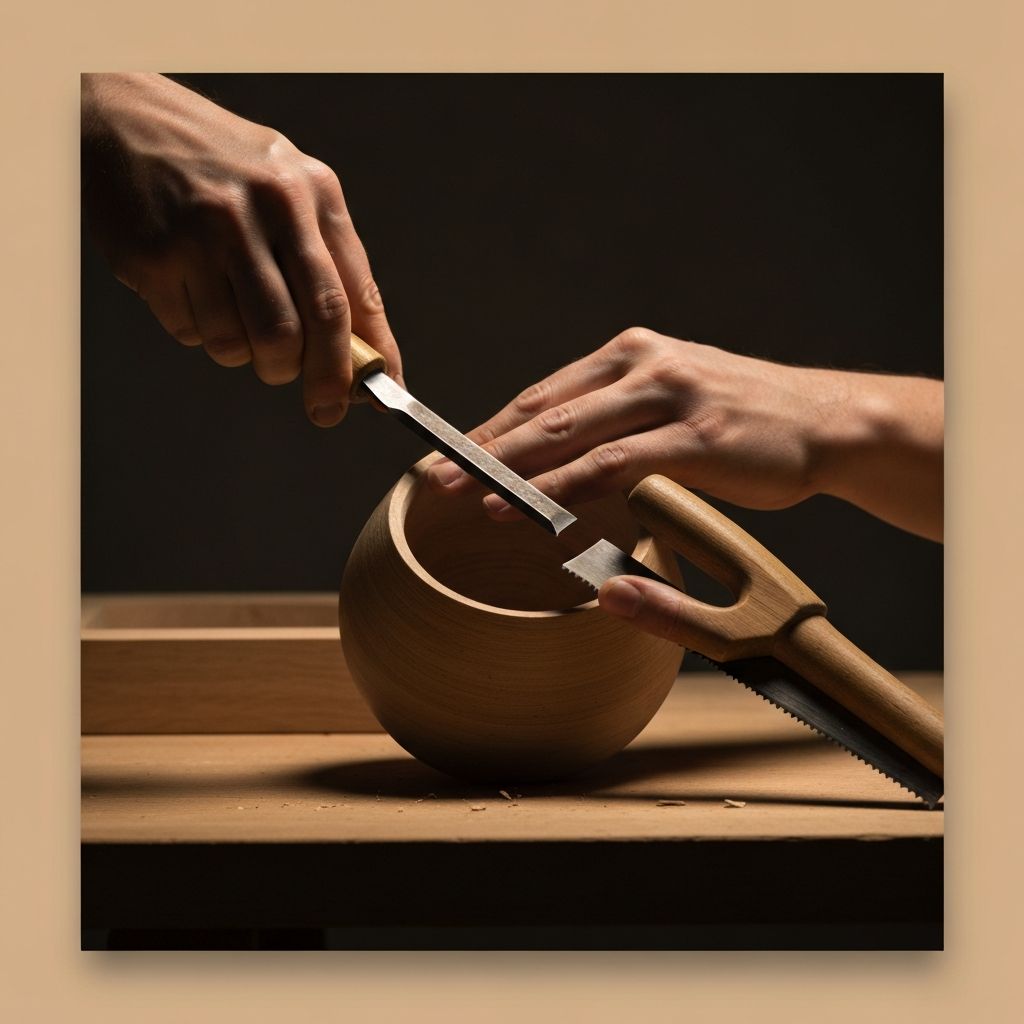
Creative practice is broad and deeply individual. For some, it's woodworking or painting. For others, it's playing an instrument, writing, gardening, cooking, photography, or building. The common thread is active engagement—the use of your hands, mind, and attention to create something new, whether it's tangible or intangible.
The Psychological Benefits of Creative Engagement
Creative practice engages different neural pathways than structured work or passive consumption. The act of creating demands presence, problem-solving, and emotional investment—all of which contribute to mental well-being.
Key Benefits of Creative Practice
Stress Reduction and Presence
Creative engagement naturally draws your attention into the present moment. When you're focused on a craft—shaping wood, mixing colors, arranging components—worries about the future or regrets about the past recede. This state of presence is inherently calming.
Sense of Accomplishment
Creating something tangible—completing a project, learning a new technique, finishing a piece—generates a sense of achievement independent of external validation. This internal reward is powerful for self-esteem and motivation.
Skill Development and Growth Mindset
Engaging in a craft naturally involves learning, improvement, and occasionally, failure. This process reinforces a growth mindset—the understanding that abilities can be developed through practice and persistence.
Emotional Expression and Processing
Creative practice provides a channel for emotions that might be difficult to articulate verbally. Art, music, writing, and other creative forms allow complex feelings to be expressed and processed in non-linear, intuitive ways.

Creative Practice as Resilience Building
Research in psychology suggests that individuals with creative pursuits often demonstrate greater resilience in the face of stress, uncertainty, and life challenges. Why? Because creative engagement builds confidence, provides a sense of agency, and creates identity beyond work or external circumstances.
A person whose life includes a meaningful creative practice has a buffer against the difficulties of life. When external circumstances are challenging, the creative practice remains—a domain where you have control, can improve, and can express yourself authentically.
From Consumption to Creation
In an era of passive consumption—scrolling, streaming, watching—active creative engagement stands out as a form of resistance and reclamation. When you create, you are not merely consuming content; you are generating meaning and expression.
Practical Pathways to Creative Engagement
- Identify Your Interest: What activities have drawn your curiosity? What did you enjoy making or doing before external pressures redirected your focus?
- Start Accessible: You don't need expensive materials or advanced skills. Begin simply—drawing with pencils, writing, cooking a new recipe, or learning an instrument online.
- Create Regular Practice: Like physical movement or meditation, creative practice benefits from consistency. Even 30 minutes a week of focused creative engagement compounds.
- Release Perfectionism: The goal is engagement and expression, not producing masterpieces. Early work is often awkward; this is normal and part of the process.
- Seek Community (Optional): Some find connection through classes, workshops, or groups. Others prefer solitary practice. Both approaches are valid.
Important Limitations & Context
This article explains the general benefits of creative practice and engagement. However, the specific impact varies individually based on personality, circumstances, and the type of creative practice. Some individuals may experience anxiety or pressure around creative pursuits, particularly if they have experienced criticism or perfectionism in the past. If creative engagement triggers distress, professional support from a therapist or counselor may be valuable. Creative practice complements but does not substitute for professional mental health care when needed.