
The Living Marine Pantry
Sourcing from the ocean requires more than a shopping list. It demands an understanding of tides, salinity, and the quiet rhythm of the seasons. Transform your kitchen into a coastal sanctuary with staples that carry the essence of the sea.
Beyond the Standard Brine
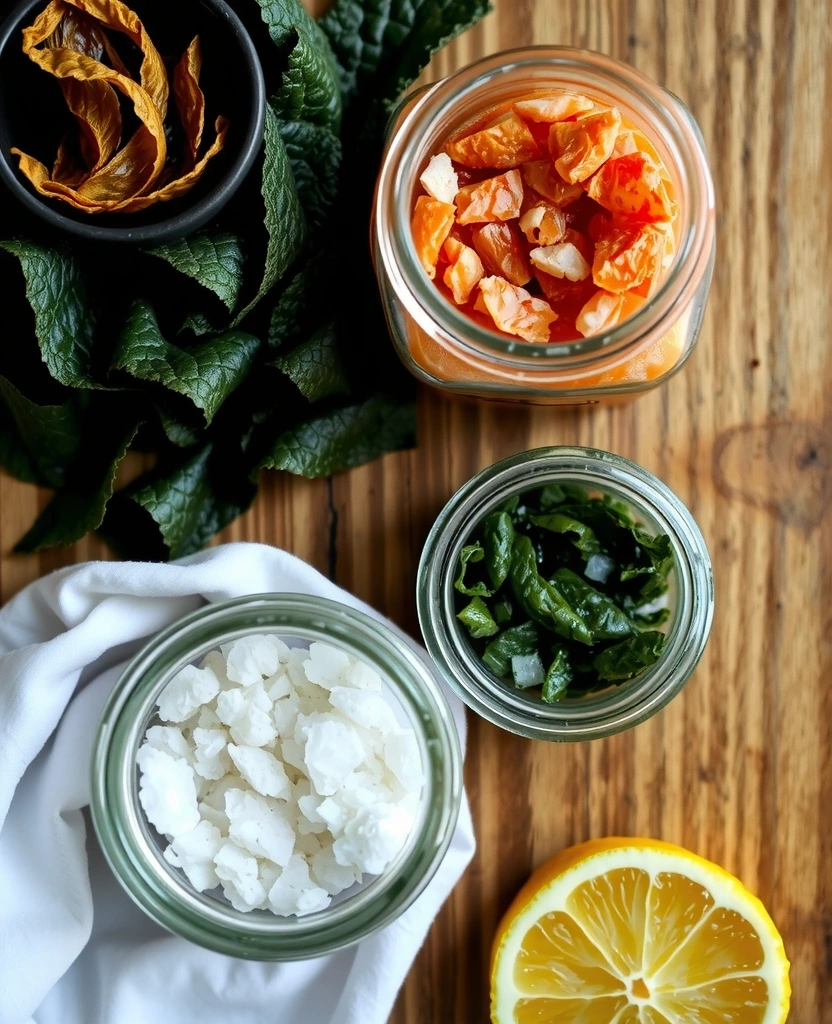
Most kitchens rely on highly processed salts that offer nothing but sharpness. A true coastal pantry begins with sea salt varieties harvested through solar evaporation. These salts retain trace minerals that soften the saltiness and add a complex, earthy profile to your cooking. Whether it’s the flaky crunch of Maldon or the moist, grey crystals of Sel Gris, the choice of salt dictates the texture of your final dish.
Then we look to algae and seaweed. These are the "vegetables of the sea," providing deep umami depth that ground spices cannot replicate. Kombu is essential for stocks, while Wakame offers a delicate silkiness to broths and salads. Dulse, with its smoky undertone, can be toasted as a seasoning that bridges the gap between land and sea.
Choosing Your Salts
Avoid salts that are perfectly uniform and bleached. Look for a slight grey or pink tint and varying crystal sizes. This indicates the presence of minerals like magnesium and calcium which help balance the sodium on your palate.
- Solar-Evaporated Flakes
- Unrefined Sea Minerals
- Hand-Harvested Kelp
- Wild-Grown Algae
The Umami Indicator
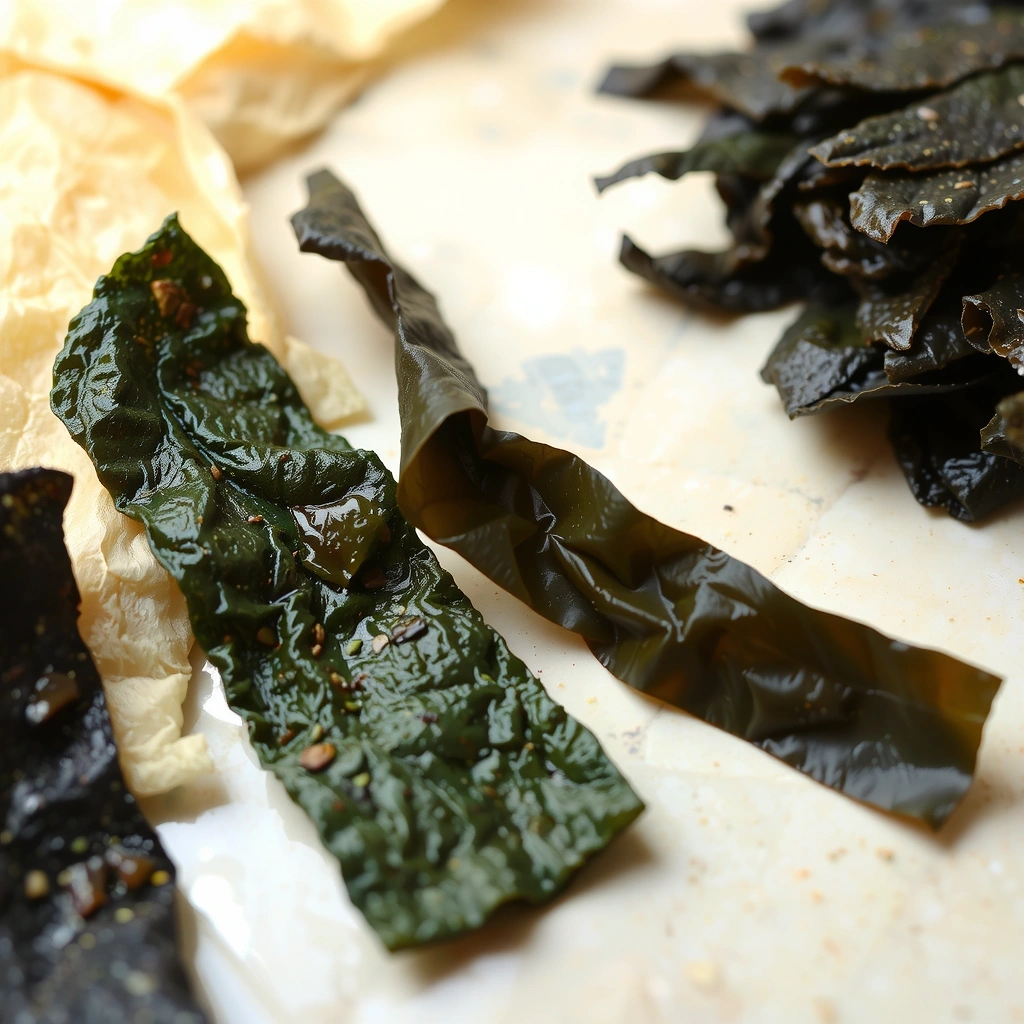
Dried seaweed should look dark and brittle, almost like black glass. If it appears dusty or pale, it has likely lost its essential aromatic oils through improper storage.
Freshness Check
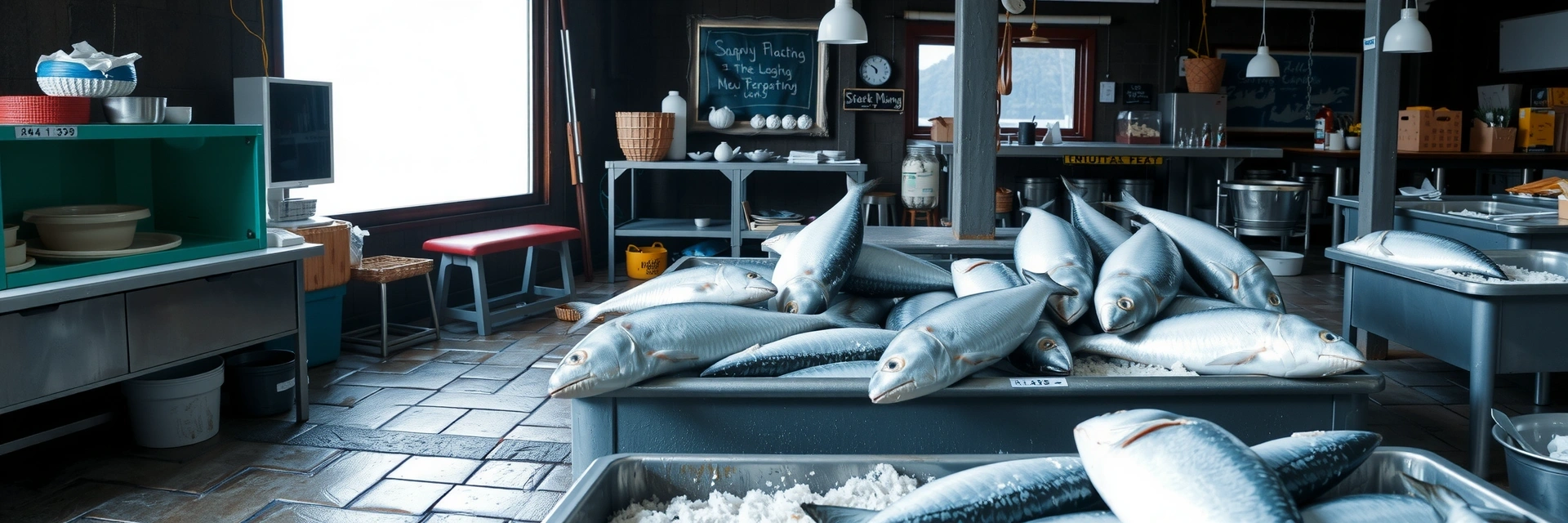
When buying whole fish, the eyes must be clear and bulging, not sunken or cloudy. The gills should be a vibrant, brick-red color.
Seasonal Catch Wisdom
The ocean is not a supermarket with endless aisles; it is a seasonal garden that gifts different proteins as the water temperature shifts.
Deep Cold Currents
During the cooler months, look for white fish that dwell in deeper, colder waters. These fish often have a firmer texture and a cleaner, more subtle sweetness.
The Coastal Bloom
As the waters warm, oily fish and shellfish become more abundant. This is the peak time for sourcing mackerel and sardines, which are best grilled over open flames.
Stable Shelflside
Your pantry should always contain preserved staples: high-quality tinned sardines in olive oil, dried shrimp, and fish sauce. These provide base flavor when fresh catch is unavailable.
The Philosophy of Sourcing
The Constraint
Most inland kitchens struggle with fish that loses its quality within hours. The challenge is maintaining sweetness without relying on synthetic preservatives.
The Approach
We teach the "Dry Aging" and "Iced Brining" methods. By using specific sea salt concentrations, you can preserve the texture of the flesh while intensifying the natural flavors.
The Outcome
Resulting in a professional-grade preparation that feels effortless. A pantry stocked with the right staples ensures that even a simple poached fillet becomes a gourmet experience.
Coastal Truths
"Frozen fish is always inferior to fresh."
Modern "flash-frozen" techniques used at sea can preserve nutrients and flavor much better than "fresh" fish that has spent five days in a delivery truck. Quality is about handling, not just thermal state.
"Salt is just for seasoning at the table."
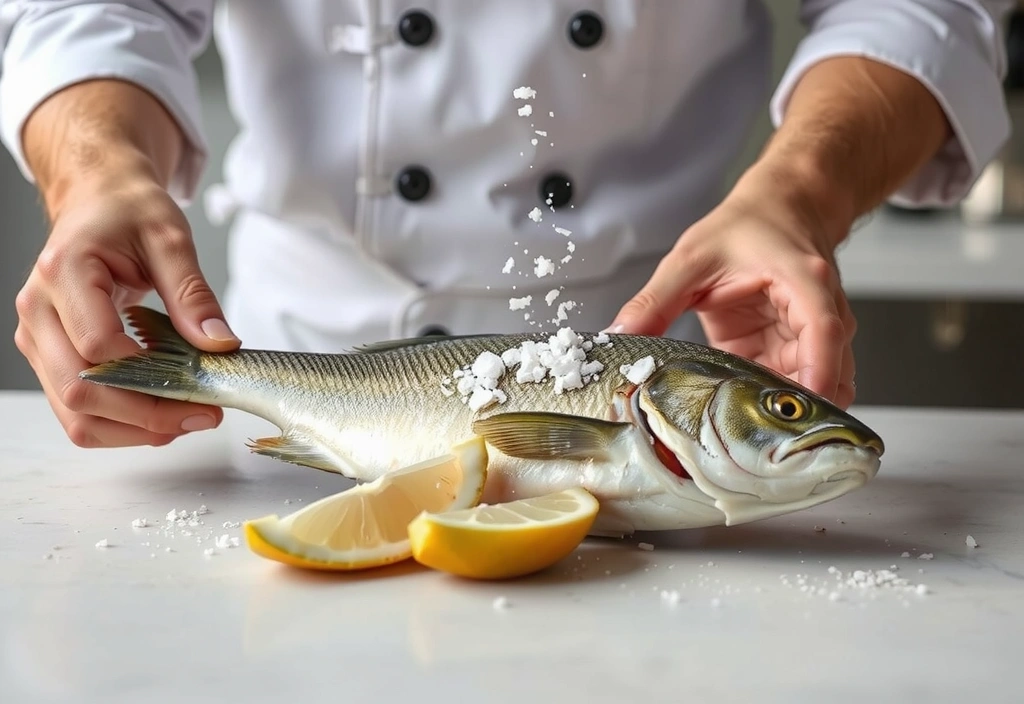
Marine salts are structural ingredients. Adding sea salt early in the cooking process allows the minerals to penetrate the fish fibers, preventing moisture loss and ensuring an even texture throughout.
Ready to Curate Your Marine Pantry?
Understanding your ingredients is the first step toward coastal mastery. Start with our essential guide and transform your relationship with the sea.